

Even the most promising real estate opportunities can falter when financing fails. For investors relying on private lending, understanding and avoiding common approval pitfalls can mean the difference between capitalizing on opportunities and missing out on them. While private lenders typically offer greater flexibility than conventional financing sources, specific issues consistently trigger delays, unfavorable terms, or outright denials—even for otherwise viable projects.
The private lending approval process involves multiple evaluation points where applications can encounter obstacles. By recognizing these potential stumbling blocks, borrowers can proactively address vulnerabilities before they impact lending decisions. This foresight increases approval probability and often leads to more favorable terms and faster funding.
Valuation Discrepancies: The Leading Approval Challenge
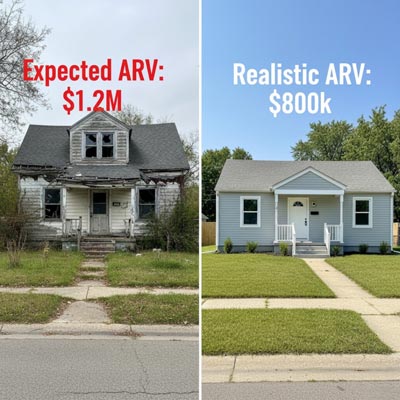 No issue derails private loan applications more frequently than disagreements about property value:
- Unrealistic after-repair value (ARV) projections often trigger lender skepticism and conservative counteroffers. Successful applications support value projections with recent, truly comparable sales rather than aspirational estimates or outlier transactions.
- Insufficient comparable sales documentation leaves lenders unable to verify borrower valuations. Strong applications include multiple recent sales of similar properties in the same area, accompanied by detailed explanations of any adjustments made for condition, size, or feature differences.
- Gaps in condition assessment between borrower descriptions and lender inspections create immediate credibility issues. Transparent documentation of property deficiencies and realistic renovation plans builds trust while preventing unpleasant surprises during verification.
Exit Strategy Weaknesses: The Second Major Pitfall
Private lenders focus intensely on how their loans will be repaid, making exit strategy vulnerabilities particularly problematic:
- Vague refinance plans without specific lender conversations or program identification raise immediate concerns. Successful applications include documentation of preliminary discussions with potential take-out lenders and identification of particular programs and qualification requirements.
- Unrealistic timeline projections that fail to account for potential delays or market changes undermine the credibility of exit strategies. Strong applications include appropriate contingency plans and alternative approaches in case primary exit plans encounter obstacles.
- Market condition blindness—failing to acknowledge relevant market challenges or trends—signals a lack of awareness or transparency issues. Practical applications address market realities directly while explaining how the project strategy accommodates these conditions.
Documentation Deficiencies: The Process Killer
Incomplete or disorganized documentation consistently delays or derails otherwise viable applications:
- Missing property information forces lenders to request basic details that should have been included initially. Successful applications provide comprehensive property documentation upfront, anticipating questions rather than waiting.
- Unclear entity structures with incomplete ownership documentation create legal concerns that delay approvals. Strong applications include clear organizational charts, complete formation documents, and evidence of good standing for all involved entities.
- Inconsistent financial information between different application components raises immediate red flags. Practical applications ensure all financial representations remain consistent across personal statements, project projections, and supporting documentation.
The Fidelis Private Fund Approach to Avoiding Pitfalls
Fidelis Private Fund has developed a streamlined application process designed to identify essential information while eliminating unnecessary complexity:
- We are unique in that we don’t require extensive, unneeded paperwork to process a loan request. We communicate the necessary application guidelines, specifying exactly what information and documentation are required for initial review. This transparency helps borrowers prepare complete submissions without wasting time on irrelevant materials.
- We are available and encourage direct communication to discuss potential opportunities before submitting your formal application. These conversations help identify potential issues early, ensuring that applications address our specific evaluation criteria.
- We maintain open communication throughout the review process, providing prompt feedback and clear guidance when additional information is needed. This collaborative approach prevents misunderstandings while accelerating the approval process.
Property-Specific Pitfalls to Recognize
 Specific property characteristics consistently create approval challenges that require special attention:
- Title issues such as unresolved liens, easement problems, or ownership questions frequently delay closings. Early title searches help identify these issues before they become critical path obstacles.
- Access limitations or unusual easements can significantly impact property value and usability. Thorough due diligence regarding property access, shared driveways, or restrictive easements prevents unpleasant surprises during the underwriting process.
- Environmental concerns can create substantial approval complications, particularly for commercial or industrial properties. Preliminary environmental assessments for properties with potential issues help identify and address problems before they impact lending decisions.
Borrower-Related Pitfalls to Address
 While private lenders focus primarily on property fundamentals, specific borrower issues consistently create approval challenges:
- Recent bankruptcy or foreclosure events require direct acknowledgment and explanation. Rather than hoping these issues won’t be discovered, successful borrowers address them proactively with clear explanations of circumstances and subsequent financial recovery.
- Pending litigation involving the borrower or related entities raises immediate concerns about potential financial impacts. Transparent disclosure, accompanied by appropriate context and clear resolution timelines, enables lenders to evaluate these situations effectively.
- Insufficient liquidity to handle project contingencies or delays creates concerns about execution risk. Strong applications demonstrate adequate financial reserves beyond the immediate project budget, providing confidence that unexpected challenges can be addressed.
Timeline-Related Pitfalls to Avoid
 Unrealistic timeline expectations consistently create problems throughout the lending process:
- Compressed closing expectations that don’t allow adequate time for proper underwriting set projects up for disappointment. While private lending moves faster than conventional financing, realistic timelines still allocate 7-14 days for thorough evaluation and closing preparation.
- Renovation schedule over optimism that fails to account for permitting delays, contractor availability, or seasonal factors undermines overall project credibility. Practical applications include realistic improvement timelines with appropriate contingency buffers.
- Exit timing that ignores market seasonality or refinancing process requirements creates repayment uncertainty. Strong applications align exit timing with relevant market cycles and allow adequate time for take-out financing processes.
Preparing Your Pitfall-Proof Application
 Several proactive strategies can help borrowers avoid common approval obstacles:
- First and foremost, clear communication with the lender is key to expediting loan approval.
- Conduct thorough self-due diligence before submission, identifying and addressing potential concerns proactively. This preparation prevents surprises while demonstrating professionalism and transparency.
- Provide comprehensive documentation upfront rather than waiting for specific requests. This approach accelerates the review process while creating a positive first impression about the organization and demonstrating thoroughness.
- Maintain realistic expectations about property value, project timelines, and market conditions. This pragmatism builds credibility while preventing the disappointment that comes from unrealistic assumptions.
If you’re preparing to apply for private financing, contact Fidelis Private Fund today at 760-258-4486 to discuss our application requirements and potential pitfalls that may be specific to your situation. We can help you prepare a submission that proactively addresses common concerns while highlighting the strengths of your opportunity.
Explore how Fidelis can support your growth with flexible, fast financing solutions tailored to your needs.
See Our Latest Performance Report
 Fidelis Private Fund annualized yield paid to Limited Partners for the 1st Quarter 2025. Click here for a summary of Fidelis’s annualized yield since inception.
 Fidelis 2028 Vivid Vision – Where are we going and how are we going to get there!
The Fidelis 2028 Vivid Vision document provides a comprehensive blueprint of the company’s strategic direction, core values, and operational principles, highlighting its commitment to capital preservation, growth, innovation, and client-centric services. Click to read the Fidelis vision.