

Introduction
Imagine passive income as a gentle river of rent checks flowing into your account—no midnight calls about leaky toilets, no surprise roof replacements, no endless legal hoops. Yet for many rental‑property owners, the reality is far messier. Professional managers typically command 6–10 % of your monthly rent plus hefty leasing fees when tenants turn over, and vacancies strike nearly half of U.S. rentals each year, leaving income on hold while mortgage, taxes, and insurance continue to tick upward. Add in the occasional furnace failure or code‑mandated upgrade, and that oft‑quoted 6.5 % gross rental yield can evaporate, shrinking to roughly 3–4 % net after you factor in downtime, maintenance, and legal expenses.
Private mortgage funds recast real‑estate exposure entirely. Instead of juggling tenants and maintenance, investors pool capital to originate first‑lien, short‑term loans on income‑producing or value‑add properties. Borrowers pay contractual interest—often between 9 % and 11%—and investors simply collect distributions, free from the headaches of direct ownership.
 Why “Passive” Direct Ownership “Isn’t”
Owning rental real estate can quickly feel like running a small business. Even with experienced property managers, you still face steep fees, unpredictable vacancies, and concentrated risk in a single market. When a unit sits empty, those management fees don’t pause; when a tenant’s HVAC quits on Christmas Eve, you’re scrambling for a repair contractor; when local regulators update eviction laws, you need to revisit leases and policies.
All of these operational burdens tend to drag net yields well below that headline 6.5 %. What seems “passive” on the surface can demand significant time, capital reserves, and emotional energy—factors that often go unspoken when landlords tout their returns.
The Private Mortgage Fund Difference
Private mortgage funds transform real‑estate exposure from an operational endeavor into a credit‑focused investment. By underwriting loans with mostly first‑priority liens, conservative loan‑to‑value ratios (typically 60–70 % of after‑repair value), and a commitment to hold each loan to maturity (12–24 months), fund managers create an income stream largely insulated from daily market swings.
Because funds spread capital across dozens of loans—spanning multifamily, industrial, mixed‑use, and other property types—investors gain true diversification. And instead of budgeting for plumbing emergencies, you simply review monthly or quarterly statements and collect contractual interest payments. No tenant coordination, no permit‑pulling, no surprise capital calls.
From Landlord to Lender: The Fidelis Edge
When it comes to private mortgage funds, not all managers are created equal. Here’s how Fidelis Private Fund stands apart:
- Owner‑Aligned, Seasoned Principals
Founded in 2019 by John Lloyd, Jon Maddox, Chad Ruyle, with Sam Attisha joining as a general partner in , Fidelis’s leadership team co‑invests alongside limited partners, over $7 million of their own funds invested alongside the other Fidelis limited partners—meaning every underwriting decision and reserve policy directly affects their own capital. - Common‑Sense Underwriting with Equity Cushion
Fidelis sizes loans to 55–75 % loan‑to‑value on an after‑improvement basis, securing mostly first‑lien claims on commercial and residential investment properties. That equity buffer is fundamental to protecting investor principal. - Rigorous Oversight & Robust Reserves
An independent Accountability Committee oversees valuation methodologies and reserve policies. Meanwhile, a loan‑loss reserve—equal to 2+% of total commitments–adds an extra layer of downside mitigation . - Flexible, Transparent Structure
Fidelis requires a $50,000 minimum investment with a one‑year commitment (a 10 % fee applies if you exit early within one year), but borrowers face no prepayment penalties. Quarterly redemption windows, backed by a committed line of credit, further smooth investor cash flows. - Operational Excellence & Speed
Interest doesn’t accrue on undisbursed funds, and every loan uses attorney‑drafted documents, third‑party escrow, title insurance, and professional servicing—streamlining the process for borrowers and safeguarding investor interests . - Proven, Multi‑Cycle Performance
Across economic cycles, Fidelis has consistently delivered its targeted ~8 % yield—reaching 9.78 % annualized in Q1 2025—without a single capital loss. That track record speaks to the strength of its underwriting discipline and governance framework.
Comparing Outcomes
Think of two investors, each deploying $500,000 of capital. In a portfolio of direct rentals, a 6.5 % gross rent yield produces $32,500 of income before expenses; after management fees, vacancies, and repairs, net income can drop to around $20,000, with ongoing time commitments for tenant issues and compliance. By contrast, a $500,000 position in a Fidelis mortgage fund earning 9% net annualized yield would generate about $45,000 in annual income—without tenant turnover, maintenance calls, or local licensing hurdles.
That difference isn’t just math; it’s reclaimed time, reduced stress, and a truly hands‑off experience.
 Integrating Mortgage Funds into Your Portfolio
A well‑constructed portfolio balances yield, risk, and liquidity. Many advisors recommend positioning 5–15 % of your fixed‑income sleeve in private mortgage funds. This allocation can meaningfully lift overall portfolio yield while preserving core liquidity needs.
Before committing, review the fund’s average loan‑to‑value ratios, geographic and property‑type diversification, and the experience of its sponsoring team. Understand notice periods and any gating provisions around liquidity. And always compare net, after‑fee yields against the net returns you’d expect from direct rentals once management, vacancies, and capital expenditures are tallied.
Common Questions Addressed
Investors often wonder what happens if a borrower defaults, how quickly they can redeem capital, or whether rising interest rates pose a threat. In Fidelis’s structure, mostly first‑lien security and funded reserves protect principal in default scenarios. Quarterly redemption windows (with 60–90 day notice) are supported by a committed credit facility, and most loans carry floating spreads to help mitigate duration risk. Laddering investments across different fund vintages can further smooth cash flows.
Tax & Regulatory Considerations
Interest income from mortgage funds is generally taxed as ordinary income, so consider holding positions in IRAs or other tax‑deferred accounts if deferring current‑year tax liabilities is important. Fidelis operates under SEC Regulation D (506(b)), requiring accredited‑investor status. Its offering documents include detailed subscription agreements and private‑placement memoranda, ensuring full compliance and disclosure.
Conclusion
Direct real‑estate ownership often looks passive in glossy marketing brochures, but anyone who’s dealt with vacancies, repairs, and regulatory shifts knows the truth: it can be a full‑time endeavor. Private mortgage funds—especially those run by owner‑aligned, experienced teams like Fidelis—offer a different path: credit‑driven, collateral‑backed income that pays out on a predictable schedule, with rigorous oversight and zero tenant drama.
If you’re ready to trade landlord headaches for lender discipline and pursue truly passive, asset‑backed yields, call Fidelis Private Fund at 760‑258‑4486. Let’s explore how their proven approach can fit within your portfolio, elevate your income sleeve, and give you back the time and peace of mind you deserve.
Explore how Fidelis can support your growth with flexible, fast financing solutions tailored to your needs.

See Our Latest Performance Report
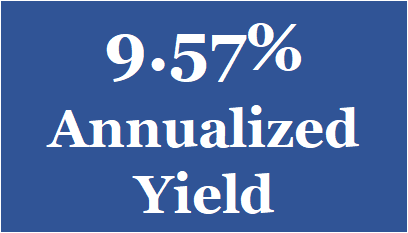 Fidelis Private Fund annualized yield paid to Limited Partners for the 1st Quarter 2025. Click here for a summary of Fidelis’s annualized yield since inception.
 Fidelis 2028 Vivid Vision – Where are we going and how are we going to get there!
The Fidelis 2028 Vivid Vision document provides a comprehensive blueprint of the company’s strategic direction, core values, and operational principles, highlighting its commitment to capital preservation, growth, innovation, and client-centric services. Click to read the Fidelis vision.