
A great question an investor can ask me is this: “If I need my money back, how does that actually work, and how quickly can I get it?”
Every investor should ask that before writing a check. Here is the direct answer.
The Investment Structure
The minimum investment is $50,000, and the initial lock-up is one year. Withdrawing inside that first year carries a 10 percent early withdrawal penalty.
After the first year, redemptions follow a quarterly calendar. We ask for written notice at least 45 days before the end of a calendar quarter, and funds are typically disbursed by the 10th of the month following quarter-end.
When the fund is holding excess cash, management may, at its discretion, honor a redemption sooner. In practice, we often can. But that is an exception, not the rule, and it is never a promise.

The Shock Absorber
 Fidelis maintains a line of credit that never exceeds 20 percent of our capital. Its job is to bridge the timing gap between when a redemption is due and when our loans pay off, so a redemption request never has to become a forced sale of a good loan at a bad moment.
I want to be precise about what that facility is, because it is easy to misread. It is not a tool for buying more loans with borrowed money. It is a shock absorber: sized once, there when we need it, and used sparingly.
What we will not do is sell a good loan at a discount to meet a redemption. That would hurt every other investor in the fund to accommodate one.
Why It Works This Way
Your capital is invested in short-term loans secured by real estate. Those loans have terms, and they pay off on their own schedule. No redemption policy I write changes that.
So we do not promise liquidity the assets cannot deliver. When a fund gets into trouble on redemptions, the cause is rarely bad loans. It is more redemption requests than available cash at that moment. A clear calendar, backed by a dedicated liquidity cushion, is how we plan for that before it happens.
The Trade-Off
 I want to be upfront about this. A Fidelis investment is not a bank deposit. It is not FDIC-insured, and like any investment it carries risk. You are compensated for accepting that your money is working in real-estate-secured loans rather than sitting available on demand. For the quarter ending September 30, 2026, the fund’s net annualized yield was 9.17 percent. Past performance does not guarantee future results.
The Bottom Line
Ask about the exit before you think about the entrance. A fund manager who cannot walk you through the redemption calendar, the cushion behind it, and what happens in a slow quarter is asking you to trust a story instead of a structure.
I would rather show you the structure.
Let’s Talk
Call me directly at 760-258-4486, or email jlloyd@fidelispf.com. I’d like to hear your story. The best partnerships start with a simple conversation: no pressure, just clarity.
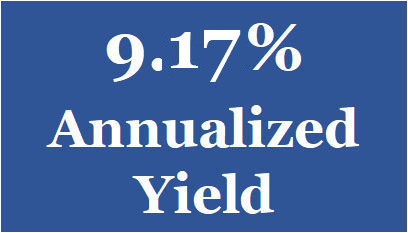 Fidelis Private Fund annualized yield paid to Limited Partners for the 3rd Quarter 2026. Click here for a summary of Fidelis’s annualized yield since inception.